
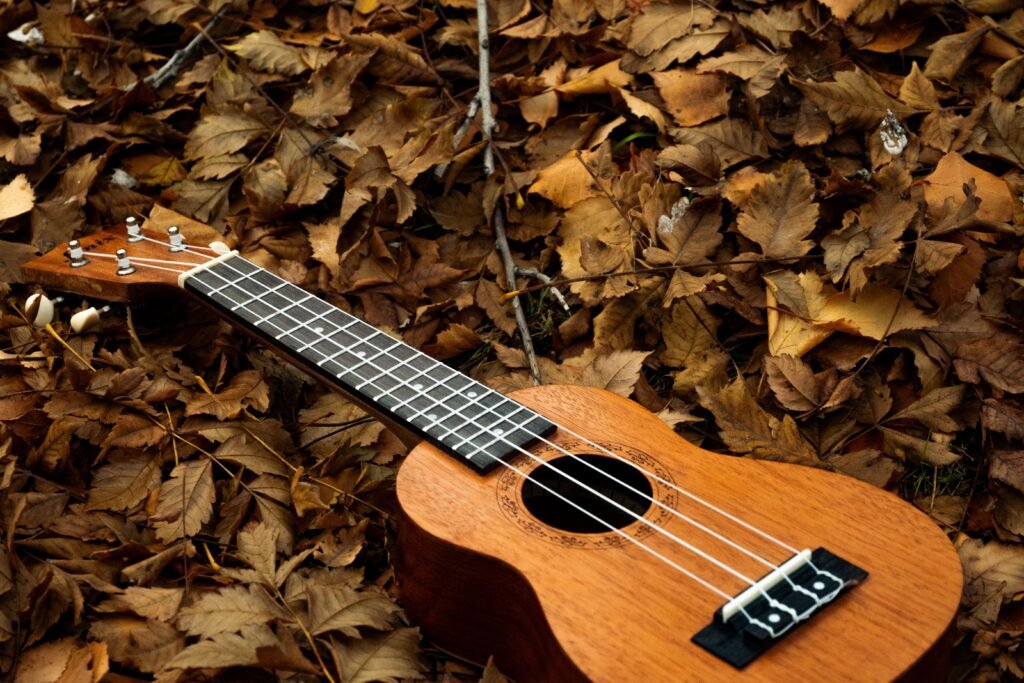
The ukulele is one of the world’s most recognizable musical instruments. Its small size, bright tone, and relatively simple playing technique have made it popular among beginners, professional musicians, and music lovers around the world. But behind its cheerful sound is a fascinating story involving immigration, cultural exchange, craftsmanship, and the development of Hawaiian music.
Understanding ukulele history helps explain why this small four-stringed instrument became so closely associated with Hawaii despite having roots in Portugal. From its arrival in the Hawaiian Islands during the late 19th century to its popularity across the United States and eventually around the world, the ukulele has experienced an extraordinary journey.
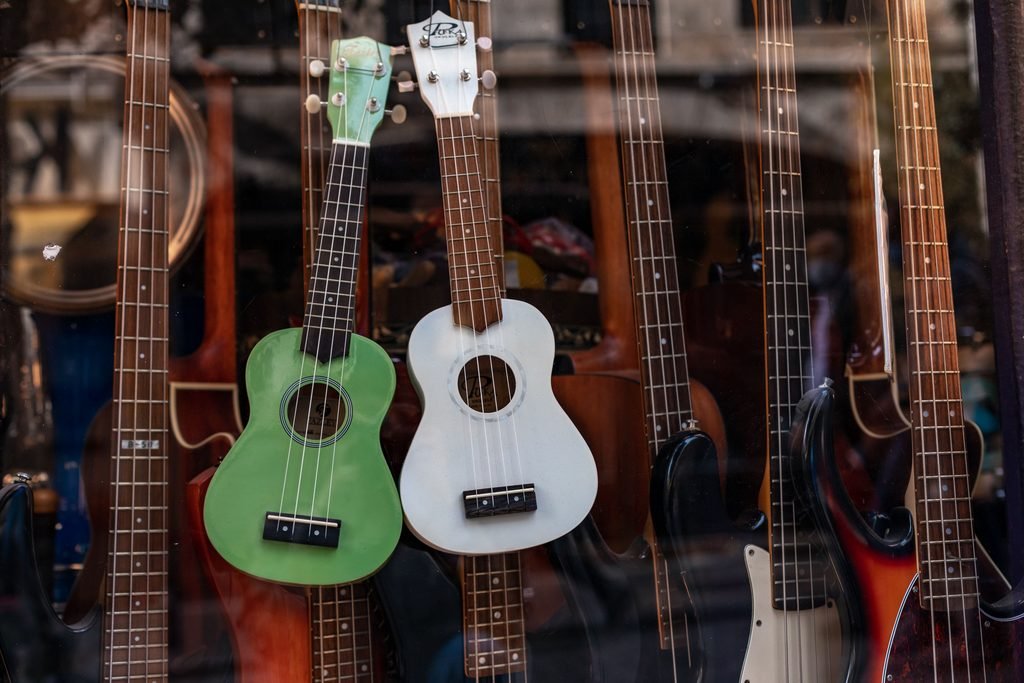
If you’re inspired to start playing, you can buy a ukulele on Amazon and begin exploring this fascinating instrument for yourself.
Table of Contents
Where Did the Ukulele Come From?
The story of ukulele history begins in Portugal, particularly with small stringed instruments brought to Hawaii by Portuguese immigrants.
During the 19th century, Portuguese workers traveled to Hawaii to work primarily in the sugar plantations. Many came from Madeira and the Azores. They brought traditional Portuguese instruments with them, including the machete, braguinha, and rajão.
These instruments were small, lightweight, and typically played with the fingers. Their construction and playing styles would eventually influence the development of the modern ukulele.
One important moment occurred in 1879, when the Portuguese immigrant João Fernandes arrived in Hawaii. According to historical accounts, Fernandes played a small Portuguese instrument after arriving, attracting attention from local Hawaiians because of its distinctive sound.
The instrument itself was not yet the ukulele as we know it today. Hawaiian musicians and craftsmen gradually adapted Portuguese designs, creating a new instrument that eventually became an important part of Hawaiian musical culture.
How the Ukulele Got Its Name
The origin of the word “ukulele” is one of the more interesting parts of ukulele history.
The Hawaiian word ukulele is commonly translated as “jumping flea.” One popular explanation is that the name described the quick movements of a player’s fingers across the strings.
However, the exact origin of the name remains debated. Some historical accounts connect the name with the playing style of Edward William Purvis, a British officer and musician in Hawaii during the late 19th century. Purvis was reportedly a skilled player of the small instrument.
Regardless of the precise explanation, the name ukulele eventually became firmly established in Hawaii.
The Development of the Hawaiian Ukulele
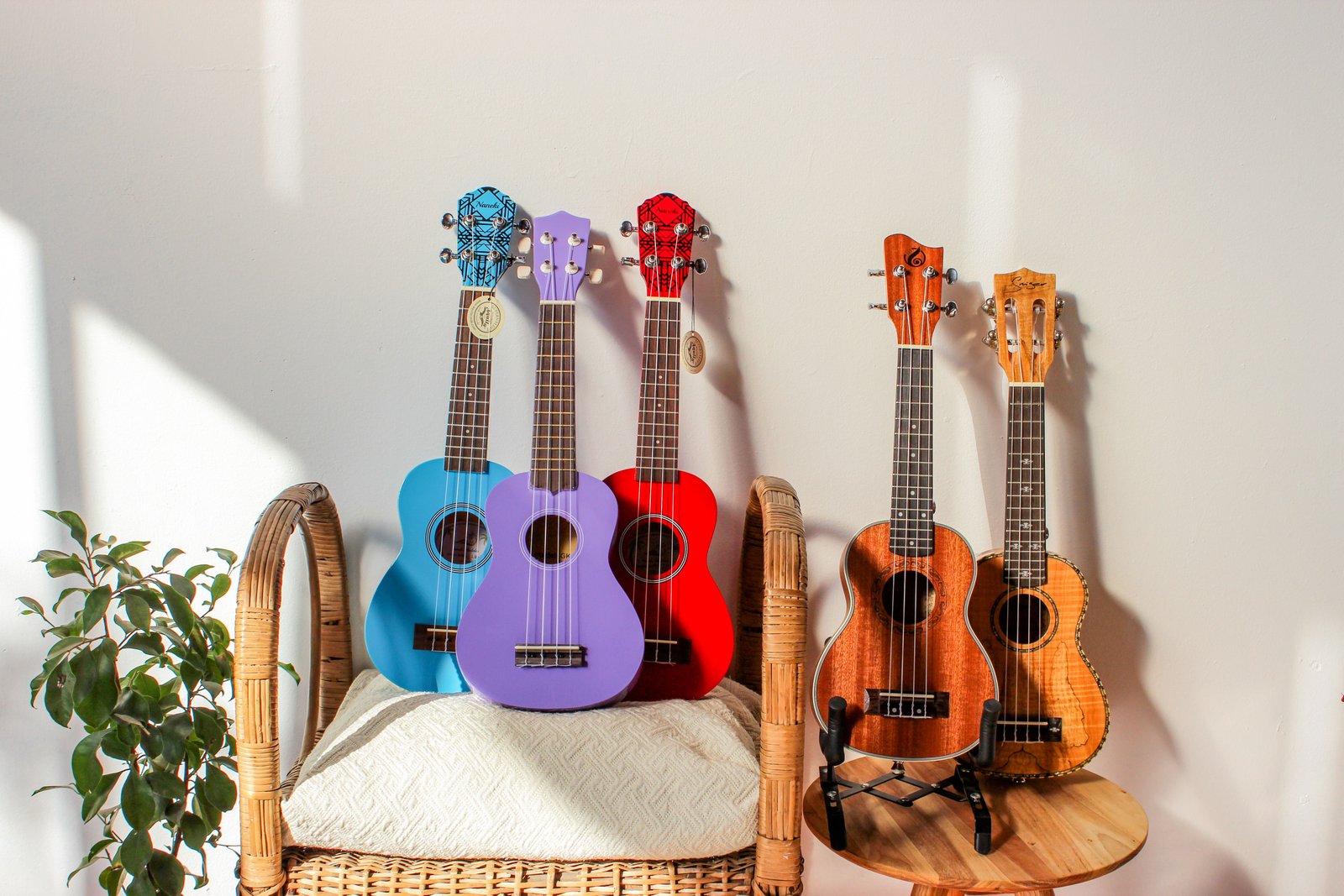
A major reason the ukulele became an important part of ukulele history was the work of Hawaiian instrument makers.
Three Portuguese cabinetmakers and musicians are particularly associated with the early development of the Hawaiian ukulele: Manuel Nunes, Augusto Dias, and José do Espírito Santo.
They adapted Portuguese instruments and experimented with construction, body shape, strings, and tuning. Their work helped transform the imported instruments into something distinctly Hawaiian.
The resulting ukulele was generally smaller than many modern guitars and featured four strings. Its high, bright sound made it suitable for both solo performances and accompanying singers.
Over time, the instrument became increasingly popular among Hawaiians.
The Ukulele and Hawaiian Royalty
The ukulele received an important boost from members of the Hawaiian royal family.
King David Kalākaua, the last king of the Hawaiian Kingdom, was a major supporter of Hawaiian music, dance, and cultural traditions. He was also interested in the ukulele and other stringed instruments.
Kalākaua helped bring the instrument into prestigious cultural performances and public events. His support contributed significantly to the instrument’s acceptance within Hawaiian society.
Princess Liliʻuokalani, who later became Hawaii’s final monarch, was also a talented composer and musician. She wrote many Hawaiian songs and supported the preservation of Hawaiian musical traditions.
This connection between the ukulele and Hawaiian royalty is an important chapter in ukulele history because it helped elevate the instrument from an immigrant novelty to an important part of Hawaiian cultural identity.
The Ukulele Becomes a Symbol of Hawaii
By the early 20th century, the ukulele had become strongly associated with Hawaii.
Hawaiian music was gaining attention beyond the islands, and the ukulele became one of its defining sounds. Its portability also made it practical for performances, social gatherings, and informal music-making.
The instrument’s distinctive tone helped create an image of Hawaii that audiences around the world found appealing.
As tourism to Hawaii increased, visitors encountered the ukulele and often returned home with one. This helped spread the instrument internationally.
The Ukulele Arrives in Mainland America
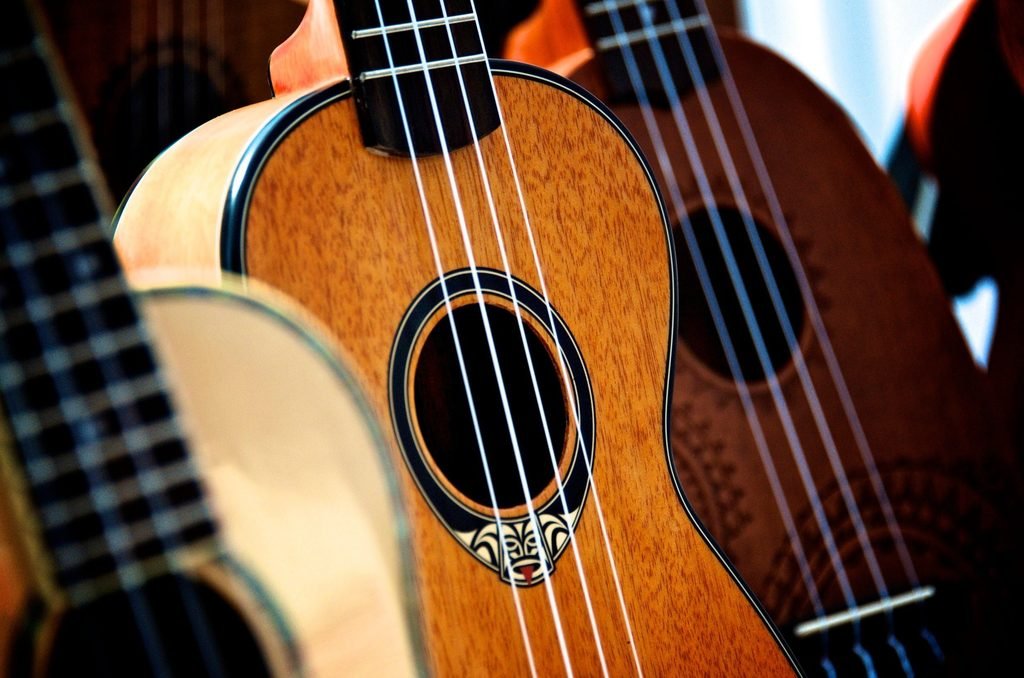
One of the most important developments in ukulele history occurred during the early 20th century, when Hawaiian music became increasingly popular in the continental United States.
The 1915 Panama-Pacific International Exposition in San Francisco played an important role in introducing Hawaiian culture and music to a much larger American audience.
Hawaiian performers demonstrated traditional music, and the ukulele attracted considerable attention.
American manufacturers also began producing ukuleles. As production increased, the instrument became more affordable and accessible.
The ukulele soon appeared in American popular culture, vaudeville performances, sheet music, advertisements, and recordings.
The Ukulele Craze of the 1920s
The 1920s were a golden period in ukulele history.
The instrument became extremely fashionable in the United States. People of different ages learned to play it, and ukulele clubs appeared in many cities.
Its popularity was helped by several factors. The ukulele was relatively inexpensive, easy to carry, and easier for beginners to learn than many larger string instruments.
Musicians such as Cliff Edwards, popularly known as “Ukulele Ike,” helped make the instrument even more visible.
During this period, the ukulele was no longer viewed simply as a Hawaiian instrument. It had become part of mainstream American entertainment.
The Ukulele During the Mid-20th Century
After its huge popularity in the 1920s, interest in the ukulele declined somewhat during later decades.
The rise of other musical styles and instruments, particularly the guitar, changed popular music. Electric guitars eventually became central to rock and other modern genres.
Nevertheless, the ukulele never disappeared.
It remained popular in Hawaii and continued to be used by musicians, hobbyists, educators, and performers. Its affordability and portability helped it survive periods when it was less prominent in mainstream music.
This period demonstrates an important aspect of ukulele history: the instrument repeatedly adapts to changes in musical culture.
The Ukulele’s Modern Revival

The late 20th and early 21st centuries brought another major revival.
The internet, music education, social media, and easily accessible online tutorials introduced the ukulele to a new generation.
Artists also helped bring the instrument back into mainstream attention. Musicians began using ukuleles in pop, folk, indie, acoustic, and singer-songwriter music.
One particularly influential moment came with the increasing popularity of performances featuring ukulele arrangements of well-known songs. The instrument’s cheerful sound and approachable learning curve made it particularly attractive to beginners.
Today, people can learn basic ukulele chords through online videos within a short period of time. This accessibility has played a major role in the instrument’s modern growth.
How the Ukulele Has Changed
The modern ukulele comes in several sizes and styles. The four most common types are soprano, concert, tenor, and baritone.
The soprano is traditionally the smallest and is often associated with the classic ukulele sound. The concert is slightly larger and provides more room for players. The tenor offers a larger body and is popular among performing musicians.
The baritone is the largest of the four and has a deeper sound. It is tuned differently from the smaller ukulele types and shares some characteristics with the guitar.
These variations show how ukulele history has involved continuous experimentation and development.
Modern ukuleles can also be made from many different materials and may include electronic pickups for amplification. Some are designed for beginners, while others are handcrafted professional instruments.
The Ukulele Around the World
Today, the ukulele is played far beyond Hawaii and Portugal.
It has become popular in North America, Europe, Asia, Australia, and many other regions. Music schools and community programs frequently use the instrument because it is relatively easy for beginners to handle.
The global spread of the ukulele is another fascinating part of ukulele history. An instrument influenced by Portuguese immigrants, transformed by Hawaiian craftsmen, and popularized through American entertainment has ultimately become a worldwide musical instrument.
In many countries, people now associate the ukulele with relaxation, creativity, travel, and acoustic music.
Why Is the Ukulele Still So Popular?
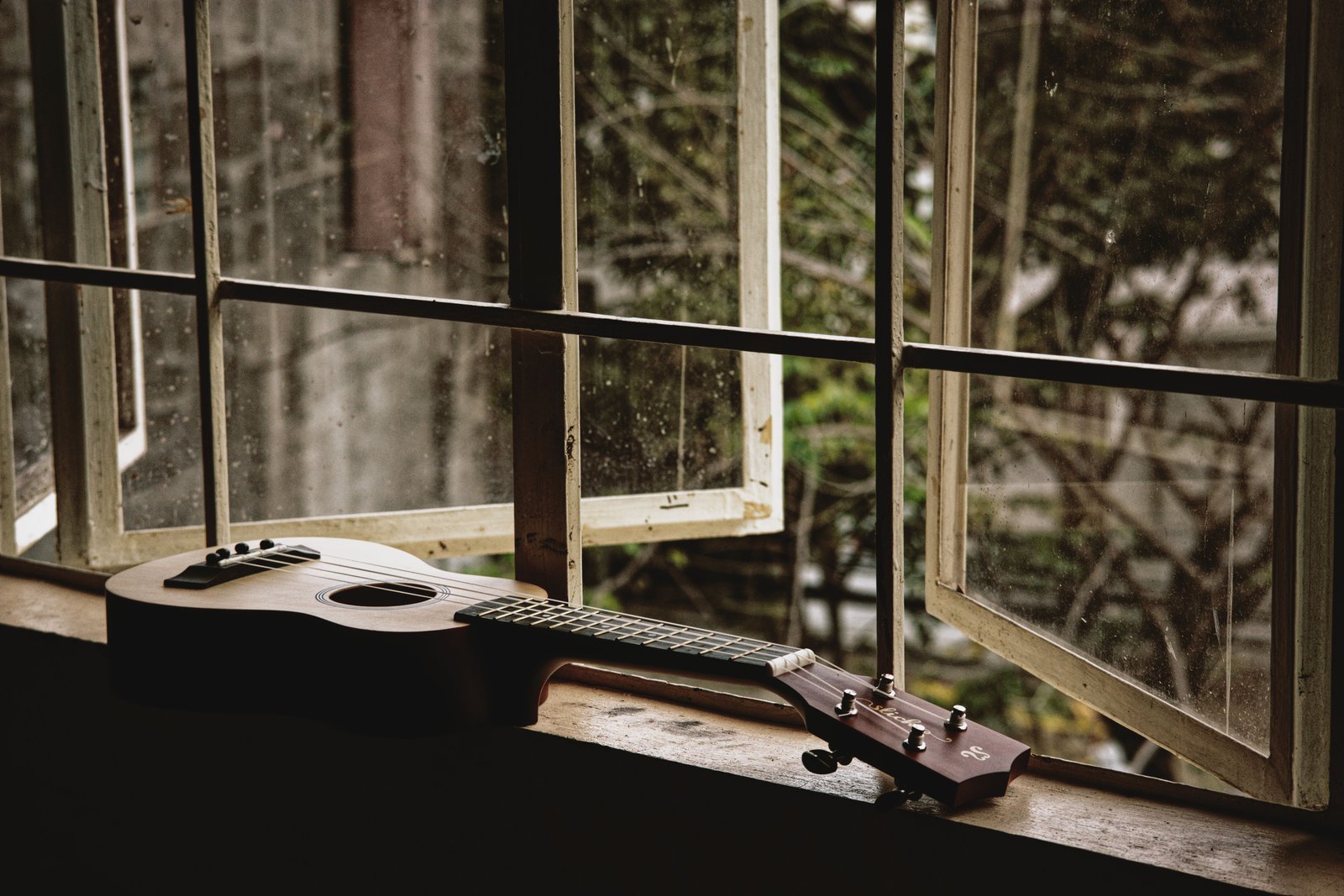
The lasting popularity of the ukulele can be explained by several characteristics.
First, it is compact. A player can easily carry a ukulele to school, work, a trip, or a social gathering.
Second, it is generally easier to get started with than many larger string instruments. Beginners can learn a few basic chords and quickly accompany simple songs.
Third, ukuleles are available at a wide range of prices. This makes them accessible to people who may not be ready to invest heavily in a musical instrument.
Finally, the ukulele has a distinctive sound. Its bright and warm tone gives songs a unique character.
The Cultural Importance of the Ukulele
The deeper story of ukulele history is about more than the development of a musical instrument.
The ukulele represents cultural exchange. Portuguese immigrants brought musical traditions to Hawaii, Hawaiian communities transformed those influences into something new, and American popular culture later helped spread the instrument around the world.
At the same time, the ukulele remains an important symbol of Hawaiian culture.
Learning about its history encourages players to appreciate not only the instrument itself but also the people, traditions, and communities that shaped it.
Frequently Asked Questions About Ukulele History
When was the ukulele invented?
The modern ukulele developed in Hawaii during the late 19th century. Portuguese immigrants brought related small stringed instruments to the islands, and Hawaiian makers adapted them into the instrument we recognize today.
Is the ukulele originally from Hawaii?
The modern ukulele is strongly associated with Hawaii and was developed there, but its ancestors came from Portuguese instruments brought to the Hawaiian Islands by immigrants.
Why is the ukulele called a jumping flea?
The name is commonly associated with the quick movement of a player’s fingers across the strings. However, historians have debated the exact origin of the term.
Who made the first ukulele?
There is no single universally accepted inventor. Portuguese instrument makers including Manuel Nunes, Augusto Dias, and José do Espírito Santo played important roles in developing the early Hawaiian ukulele.
Why did the ukulele become popular in America?
Hawaiian music became fashionable in the United States during the early 20th century. Performances, exhibitions, recordings, entertainment, and commercial manufacturing helped make the ukulele widely popular.

Final Thoughts on Ukulele History
The story of the ukulele is a remarkable example of how music can travel across cultures and evolve over time. What began with Portuguese musical traditions brought to Hawaii eventually developed into an instrument that became deeply connected with Hawaiian identity.
From Hawaiian royalty and early instrument makers to American popular culture and today’s online music community, ukulele history spans more than a century of cultural development. The story of the ukulele is also connected to the broader cultural development of America, making History & Heritage an interesting topic to explore.
The ukulele may be small, but its history is anything but small. Its journey from Portuguese roots to Hawaiian culture and finally to a worldwide audience explains why this four-stringed instrument continues to inspire musicians of all ages.
Whether you are an experienced player or someone holding a ukulele for the first time, knowing its history can make the instrument even more meaningful. Every chord connects today’s players with a long tradition of migration, craftsmanship, cultural exchange, and musical creativity.